
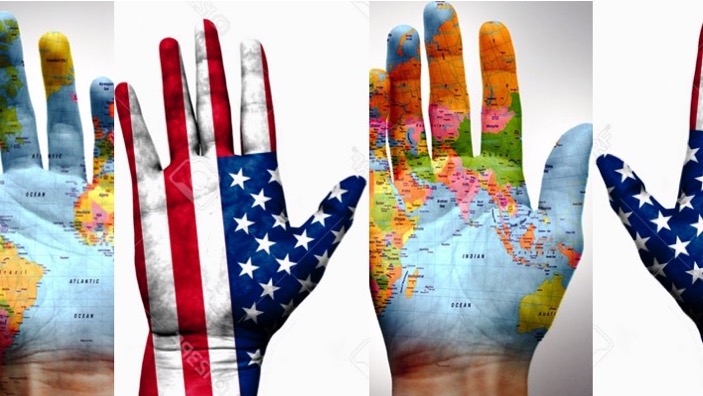
How Different Countries Have Their Own Sign Languages
The Diversity of Sign Languages
There are over 300 documented sign languages worldwide. Some of the most well-known include:
- American Sign Language (ASL) – Primarily used in the United States and parts of Canada, ASL has its own grammar and structure distinct from English.
- British Sign Language (BSL) – Used in the United Kingdom, BSL is quite different from ASL, despite both countries sharing English as a spoken language.
- French Sign Language (LSF - Langue des Signes Française) – One of the oldest sign languages, LSF greatly influenced ASL and many other sign languages worldwide.
- Japanese Sign Language (JSL) – Features unique facial expressions and mouth movements as integral grammatical components.
- Auslan (Australian Sign Language) – Developed independently and shares some similarities with BSL due to historical influences.
How Sign Languages Develop
Sign languages evolve organically within Deaf communities, often independent of spoken languages. While some sign languages may borrow elements from others, they are not simply manual versions of spoken languages; they have their own grammar, syntax, and expressions. For example, ASL is more closely related to LSF than to BSL, despite English being the dominant spoken language in both the U.S. and the U.K.
Regional Variations and Dialects
Just like spoken languages have dialects, sign languages also have regional variations. Signs for certain words can differ between cities or even schools. Additionally, cultural norms influence signing styles and expressions, making each sign language rich and unique.
International Sign: A Bridge, Not a Universal Language
International Sign (IS) is sometimes used in international gatherings, such as the Deaflympics or global conferences, to facilitate communication. However, it is not a fully developed language like ASL or BSL; rather, it is a simplified system that borrows from multiple sign languages to help people from different backgrounds communicate.
Recognizing and Preserving Sign Languages
Many countries now recognize their national sign languages as official languages, advocating for better access to education and services for Deaf individuals. However, some sign languages remain endangered due to lack of recognition or declining use. Advocating for linguistic rights and promoting sign language education is essential to preserving these rich languages and cultures.
Sign languages are as diverse as spoken languages, each reflecting the history, culture, and identity of its users. Understanding and respecting this linguistic diversity is crucial in promoting inclusion and communication for Deaf communities worldwide. By learning more about different sign languages, we can foster greater awareness and appreciation for the richness of Deaf culture across the globe.