
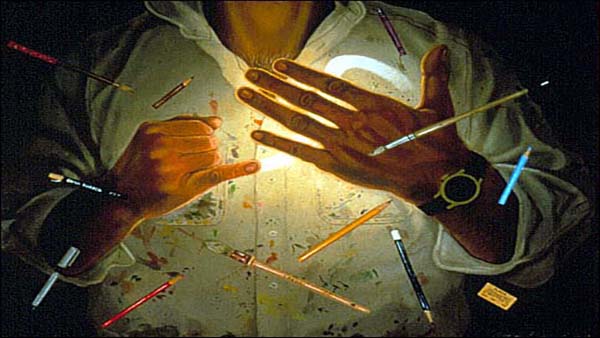
Deaf Art: A Powerful Expression of Culture and Identity
Art has long been a medium for self-expression, storytelling, and cultural identity. Within the Deaf community, art takes on an even deeper significance, reflecting the lived experiences, challenges, and triumphs of Deaf individuals. Deaf Art is not just about aesthetics; it is a powerful form of communication and cultural preservation that highlights the unique perspectives of Deaf artists.
What is Deaf Art?
Deaf Art refers to artwork created by Deaf and hard-of-hearing individuals, often drawing from their experiences within the Deaf community. This artistic movement includes various forms of visual art, including painting, sculpture, photography, and digital media. Deaf Art is distinct from artwork that merely features Deaf individuals; it is an authentic representation of Deaf culture, history, and identity.
Themes in Deaf Art
Deaf Art often incorporates themes that explore:
- Language and Communication: Many Deaf artists use American Sign Language (ASL) imagery, hands, or fingerspelling in their artwork to emphasize the importance of visual language in Deaf culture.
- Oppression and Advocacy: Some pieces highlight struggles with audism (discrimination against Deaf individuals) and the fight for equal rights, accessibility, and inclusion.
- Deaf Pride and Identity: Many artists celebrate Deaf culture, sign language, and the strong sense of community within the Deaf world.
- Silence and Sound: Artists may explore the concept of silence, visual representations of sound, and how Deaf individuals perceive the world differently from the hearing population.
Notable Deaf Artists
Several influential Deaf artists have made significant contributions to the Deaf Art movement:
- Chuck Baird (1947–2012): A pioneering Deaf artist and founding member of the De’VIA (Deaf View/Image Art) movement, Baird’s work prominently featured ASL and Deaf cultural themes.
- Betty G. Miller (1934–2012): Often called the “Mother of De’VIA,” Miller used her art to express Deaf struggles and experiences.
- Nancy Rourke: A contemporary Deaf artist known for her vibrant and bold works that advocate for Deaf rights and cultural awareness.
De’VIA: A Deaf Art Movement
De’VIA (Deaf View/Image Art) is a recognized movement that formally defines Deaf Art. Established in 1989, De’VIA focuses on conveying Deaf culture and experiences rather than simply depicting Deaf individuals. Artists who create De’VIA pieces often use specific visual motifs, including:
- Exaggerated hands and eyes to emphasize ASL and visual communication.
- Contrasting colors and bold imagery to highlight struggles and triumphs.
- Symbolism representing oppression, resilience, and Deaf empowerment.
Why Deaf Art Matters
Deaf Art is more than just creative expression—it is a vital part of cultural preservation and advocacy. It educates the public about Deaf experiences, fosters a sense of pride within the Deaf community, and challenges societal perceptions of Deafness. By supporting Deaf artists and appreciating their work, we can promote greater awareness, inclusion, and appreciation for the richness of Deaf culture.
Deaf Art serves as a powerful bridge between the Deaf and hearing worlds, allowing for deeper understanding and appreciation of Deaf culture. Whether through the De’VIA movement, advocacy-driven pieces, or personal storytelling, Deaf artists continue to shape the conversation about identity, communication, and resilience. Supporting and amplifying their voices ensures that Deaf Art remains a thriving and impactful part of the artistic landscape.
Image Source Taken from: https://deaf-art.org/